Fuel Tank
Services London
Commercial yards.
Occupied buildings.
Fuel-system shutdowns.
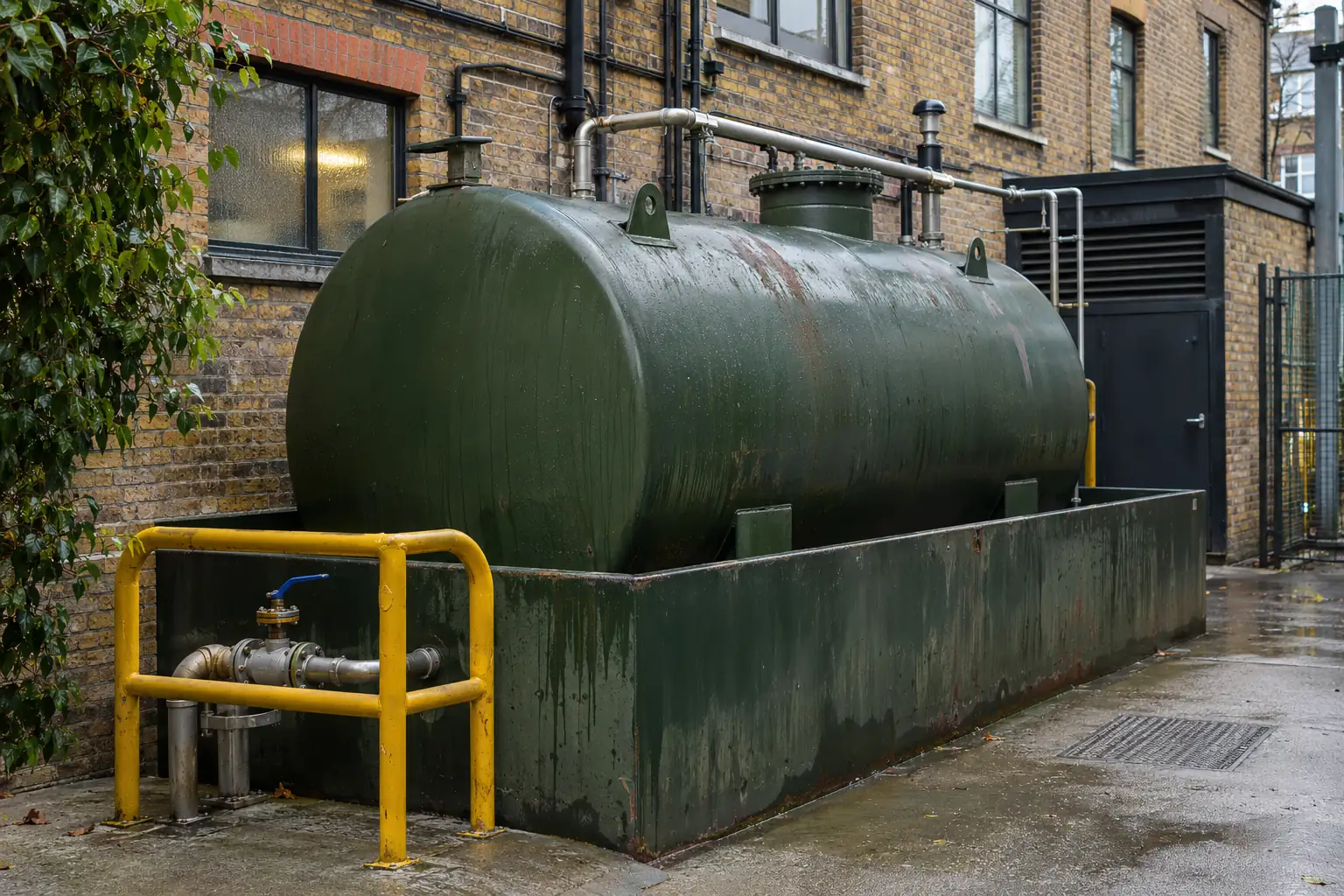
Keep The Building In The Plan.
A redundant tank can be the last obstacle to a refurbishment. Contaminated diesel can put a standby-power plan in question. In both cases, the work needs to account for the building, the fuel and the people using the premises.
London Fuel Tank Services helps commercial buyers bring those details together for tank removal, cleaning, decommissioning, generator removal, permanent foam filling and fuel polishing. Use the service guides to understand the decisions, then send a site enquiry to discuss the work with a suitable provider.
Start with what the system supplies and the outcome you need. We do not assume that a tank is safe because it looks empty, or that a yard photograph tells the whole story of access below ground.
Six Services.
A Defined Scope For Each.
Fuel Tank Removal
Recover contents, prepare the vessel and plan its route out. Include the bund, base and connected pipework in the discussion if they also need to go.
Read Service Guide02Tank Cleaning
Remove internal deposits and water. Choose a method around construction, contamination and access, with a shutdown that the premises can accommodate.
Read Service Guide03Tank Decommissioning
End the tank’s working life with a recorded permanent outcome. Compare removal and retention before closing the system off.
Read Service Guide04Generator Removal
Coordinate electrical interfaces, fuel handling and the lifting route. Confirm when the building can release its existing standby equipment.
Read Service Guide05Tank Foam Filling
Consider permanent filling where leaving the vessel in place is justified. Preparation, future ground use and accurate records remain part of the decision.
Read Service Guide06Fuel Polishing
Assess recoverable fuel and remove suitable physical contamination. Separate filtration from tank cleaning, and agree whether laboratory evidence is needed.
Read Service GuideBefore The Vehicle Arrives
Describe The System
Send the tank or generator type, approximate capacity, previous contents and what it supplies. Add an estimate of fuel left and any available drawings or inspection findings. Mention suspected leakage at the start.
Show The Route
Photograph the equipment and the full route from the vehicle position. Basement stairs, narrow turns, loading-bay bookings, shared courtyards and protected pedestrian routes can all change the method.
Agree The Interruption
Identify who approves the shutdown, whether a temporary supply is needed and which activities must continue. A standby generator that is not running may still be essential to the business’s operating plan.
Define The Handover
Specify what leaves, what remains and the condition of the space afterwards. Request the completion records and waste documentation appropriate to the work, rather than a generic promise of certification.
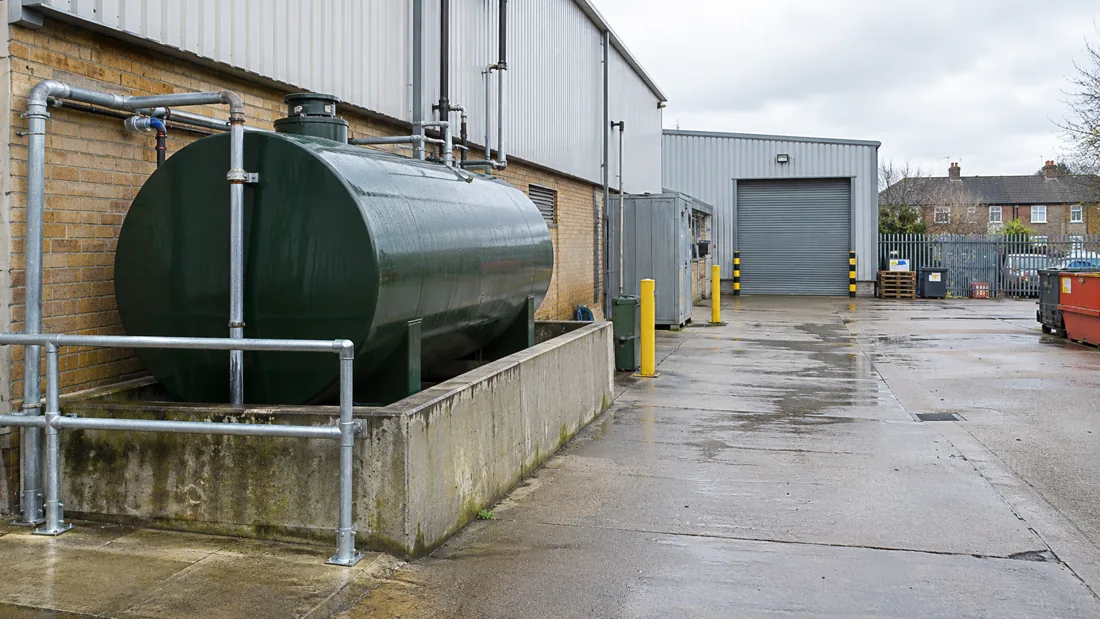
From Yard Gates To Basement Doors
London combines canalside industry, riverside estates, changing commercial sites and occupied buildings. The same tank capacity can mean very different work when one vessel is in open space and another sits behind a restricted plant-room doorway.
We welcome enquiries across London, including Park Royal, Old Oak, Brimsdown, Silvertown, Charlton, Belvedere, Hayes and Beddington. Our areas guide explains the local setting and the access questions worth raising. Service availability and the appropriate method are confirmed against the actual premises.
Read The London Areas GuideStart With These Questions
Can You Help Before We Know The Right Service?
A fuel tank enquiry can start with the problem rather than a chosen method. Describe what the equipment supplies, what has changed and the outcome you need. Photographs and any existing reports help distinguish cleaning, fuel treatment and permanent closure, with a site assessment needed where the information leaves important questions open.
What Happens To Our Enquiry?
Your enquiry details are shared with a suitable service provider to respond when you agree to this on the form. Include enough technical information to explain the work, but avoid sensitive building-security details. The proposed contractor should confirm their scope, arrangements and quotation directly before you book any attendance.
Tell Us What Needs To Change.
Use this short form for a commercial site enquiry. Include the postcode, equipment, remaining fuel and preferred work window. If you have photos or plans, mention them so a suitable way to share them can be agreed.
Your details will be passed to a suitable service provider with your consent. A proposal should confirm the method, scope and price before you book the work.
More Enquiry Guidance