Generator Removal In London
Remove redundant commercial generating equipment without losing sight of fuel, electrical interfaces or the building’s standby-power arrangements. Define the shutdown before the lift.
Enquire About Generator Removal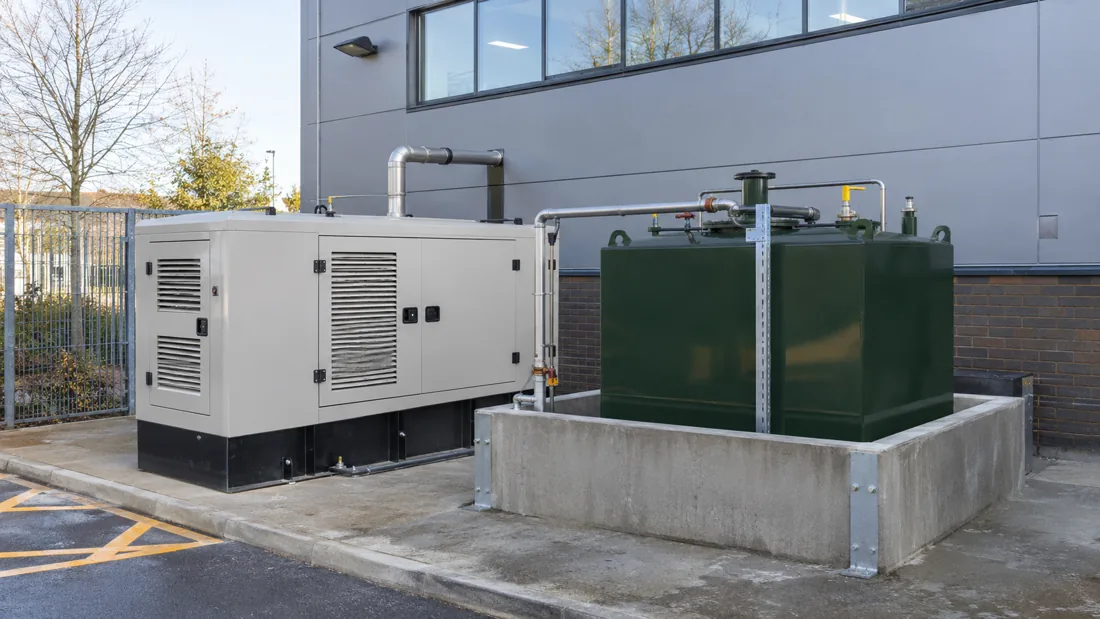
Treat The Generator As Part Of A Building System
Commercial generator removal involves more than collecting a heavy engine. The set may connect to a bulk fuel tank, day tank, batteries, controls, exhaust route and the building’s electrical distribution. London premises can also place that equipment in basements, roof enclosures or yards shared with regular deliveries.
An enquiry should explain whether the generator is redundant, being replaced or moving elsewhere. We use that information to frame the removal discussion and the interfaces that need competent specialist input. Do not assume an unused set is disconnected or that an old maintenance label proves the installation is safe to dismantle.
Decide What Must Remain Available
Before agreeing a date, identify the loads the generator supports and who can approve loss of standby capacity. A facilities team may need the building’s electrical contractor, maintenance provider and occupier to agree the sequence. If temporary generation is required, its design, installation and commissioning form a separate coordinated scope.
For a replacement project, define the point at which the old set can be released. That may depend on acceptance of the new equipment, rather than the arrival of a lifting vehicle. Record the person authorised to confirm readiness so removal does not get ahead of the power changeover.
Electrical disconnection and verification belong to competent electrical personnel. The removal programme needs written confirmation of the agreed safe condition and boundaries. This page does not provide instructions for operating switchgear, disconnecting cables or dealing with automatic-start circuits.
Choose A Route For The Actual Machine
The model plate, dimensions and verified weight help establish the handling plan. A generator’s overall envelope can include a canopy, exhaust components, protruding fittings and a base tank. Compare that with the full route out, not just the nearest doorway.
An accessible yard set may allow whole-unit handling. An enclosed plant-room set may need a surveyed dismantling strategy, and roof equipment needs a specific lifting and access assessment. Ground bearing, overhead obstacles, building openings and the space for an exclusion zone can be decisive.
LOLER requires lifting operations to be properly planned by a competent person, appropriately supervised and carried out safely. Agree who owns the lifting plan, vehicle arrangements and any required permissions. A building loading bay cannot be assumed to support lifting equipment just because delivery vehicles use it.
Fuel, Oil And Batteries Need Separate Decisions
Provide the approximate fuel quantity in both the generator base tank and any remote storage. Recoverable diesel may be useful elsewhere, subject to its condition and suitability. Unusable fuel, water and residues need classification and an appropriate route, so keep them distinct from the metal equipment in the quotation.
Engine oil, coolant, starter batteries and other components may also need controlled handling. Tell us if the equipment has been leaking or left exposed, and provide maintenance or fluid information where available. A generator should not be described as drained simply because the fuel supply has been shut off.
If the bulk tank is also redundant, link its removal or decommissioning to the same programme. If it remains operational, identify which connections must be preserved. The end state of the fuel system should be as clear as the destination of the generator.
Photographs For A Practical Removal Brief
Send a complete view of the set, the model plate, base and supports, enclosure and visible service connections. Include the exhaust route and any separate fuel tank. Photograph doors, corners, stairs and the vehicle approach from safe, normal access positions without entering restricted electrical areas.
Add the postcode, location within the building, known dimensions and weight, service status and required completion date. A marked-up floor plan helps explain long routes through shared premises. Mention lifting restrictions, security checks, loading-bay bookings, floor protection and the times when nearby plant or tenants cannot be disturbed.
Build A Cost Scope That Includes The Interfaces
Handling weight, access, dismantling, lifting reach and transport affect removal cost. So do liquid recovery, waste streams, electrical attendance, exhaust dismantling and restricted working hours. Where weight or route dimensions are unverified, a survey may be needed before a fixed method can be offered.
Ask whether the quotation includes the enclosure, skid, batteries, pipework, exhaust and any separate tanks. Agree ownership and destination of equipment suitable for reuse, rather than assume a resale or scrap allowance. Replacement installation, electrical alterations and structural making good should be clearly identified as included or separate.
Handover The Space And Update The Asset File
Before work starts, the plan should identify isolation confirmations, lifting controls and the agreed clearance boundary. At completion, request a record of the equipment removed and any components left in place. Update the building’s asset register, maintenance schedule and relevant drawings so the redundant generator is no longer treated as available standby capacity.
The documents for removed fluids, batteries and equipment depend on their classification and destination. Ask for transfer or hazardous waste consignment documentation where appropriate, and evidence of the agreed disposal or reuse route. Electrical completion records come from the electrical scope and should not be replaced by a general collection receipt.
Generator Removal Questions
Can Generator Removal Include The Fuel Tank?
Generator removal can be scoped alongside removal of a base tank or separate bulk fuel tank. Identify both at the enquiry stage, including approximate fuel volumes and the connections between them. A combined programme still needs separate decisions about liquid recovery, electrical interfaces, tank preparation and the final condition of the space.
Can A Generator Be Removed While The Building Is Occupied?
Generator removal in an occupied building needs coordination with the people responsible for power, access and tenant operations. The main questions are whether standby capacity can be released and whether the route can be segregated. Out-of-hours work may help with access, but it does not replace an approved changeover and handling plan.
Further Guidance
General guidance supports planning. The site assessment determines the method and applicable requirements.
Bring The Site Details Together
Send the postcode, equipment details and the outcome you need. We will use your enquiry to help identify a suitable service provider, with your agreement.
Start Your Enquiry